5 Signs Your Roof Is Secretly Destroying Your Home's Value
Those black streaks aren't just ugly. They're a living organism eating shingles and quietly knocking thousands off your property value. Here's how to spot it.
Most homeowners don't notice roof damage until a buyer points it out during a home inspection. By then, you're negotiating a price drop for something that cost $400 to fix two years ago.
Roof algae and moss are slow-motion damage. They don't leak today. They don't fall off tomorrow. They just quietly shorten the life of your shingles, void your warranty, and make your home look 15 years older than it is from the curb.
Here are the five signs that your roof is costing you money right now.
1. Dark Streaks Running Down From the Peak
Those black streaks you see on asphalt shingle roofs aren't dirt. They're a type of blue-green algae called Gloeocapsa magma. It feeds on the limestone filler in modern shingles.
The streaks always run vertically because algae spreads downhill with rainwater. If you see them starting at the peak and fading as they go down, that's advanced colonization. The algae has been there for years.
Here's the part most people miss. The algae itself is cosmetic. The damage is what it does to the granules. Those granules are what reflect UV and protect the asphalt underneath. Once they're eaten away, the shingle bakes in the sun and cracks two to three times faster than it should.
2. Green Fuzz or Moss on the North-Facing Slope
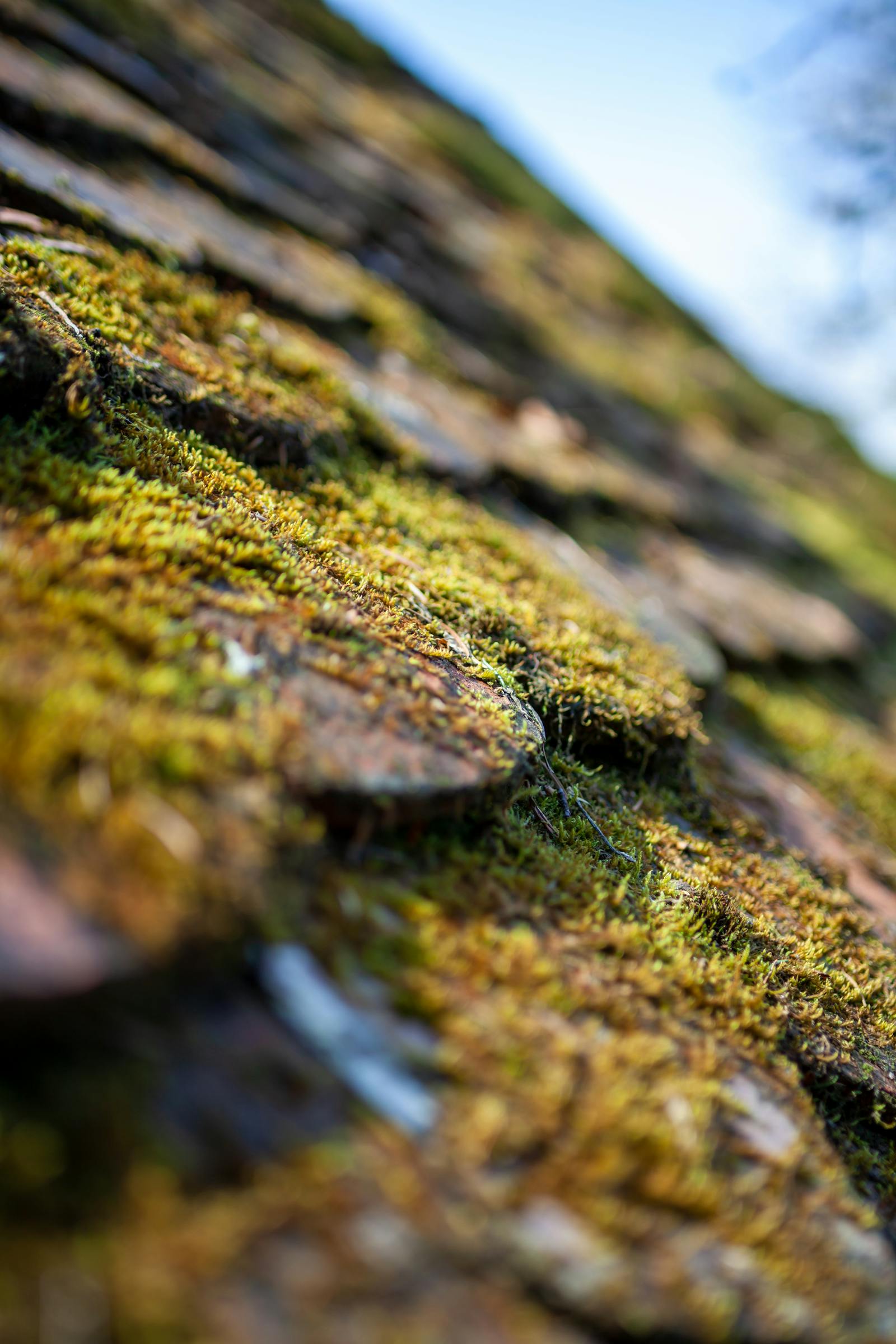
Moss needs shade and moisture to grow, which is why it shows up on the north-facing side of your roof first, or under tree cover.
Moss isn't just sitting on your shingles. Its roots push between the shingles and hold water against the roof deck. That water wicks into the decking. In six months you've got rotting plywood under an otherwise fine-looking roof.
If you see green tufts anywhere on your roof, especially around chimneys or where trees hang over the house, the damage is already starting.
3. Your Roof Looks 10 Years Older Than Your Neighbor's
Drive down your street. Look at the houses that were built the same year as yours. Then look at your roof.
If yours looks darker, streakier, or more worn out, that's not normal aging. That's accelerated aging from organic growth.
A clean shingle roof in most climates will make it 25 to 30 years. An algae-covered one will need replacement at 15 to 18. That's a $12,000 to $20,000 difference, pushed forward by a decade, for something you could have cleaned for under $500.
4. Granules in Your Gutters
Next time you clean your gutters, look at the bottom. If you see a gritty layer of black sand, those are your shingle granules.
Some granule loss is normal, especially on new roofs during the first year or after a big storm. Steady, ongoing granule loss on a middle-aged roof is not normal. It usually means UV damage, algae damage, or both.
If you can run your fingers through your gutters and come up with a handful of grit, your shingles are eroding. The roof isn't ruined yet. But it's on the countdown.
5. Your Insurance Company or HOA Sent You a Letter
Insurance companies have started using drone imagery and aerial photo services to inspect roofs without telling the homeowner. If they see extensive staining or moss, some of them will drop your coverage or demand a roof replacement as a condition of renewal.
HOAs in a lot of neighborhoods also track exterior appearance. A warning letter about your roof is usually the last warning. The next step is a fine or a forced repair at contractor pricing.
If you've gotten either kind of letter, you don't have years. You have weeks.
What to Do About It
The fix is not a new roof. The fix is a soft wash roof cleaning by a company that knows what they're doing.
"Soft wash" matters because regular pressure washing will destroy a shingle roof. It blasts off the remaining granules and forces water up under the shingles. The only correct method is a low-pressure chemical application that kills the algae and moss at the root, then rinses off with less force than your garden hose.
A professional soft wash extends roof life by 5 to 10 years. It's the single highest-return exterior service you can buy.
If you're seeing any of the five signs above, get it looked at. An estimate is free and takes about 20 minutes. Waiting another spring will cost you more than the cleaning itself.
Think Your Roof Needs a Look?
We'll tell you the truth. If it's fine, we'll say so. If it needs help, we'll quote it. No pressure.
Keep Reading
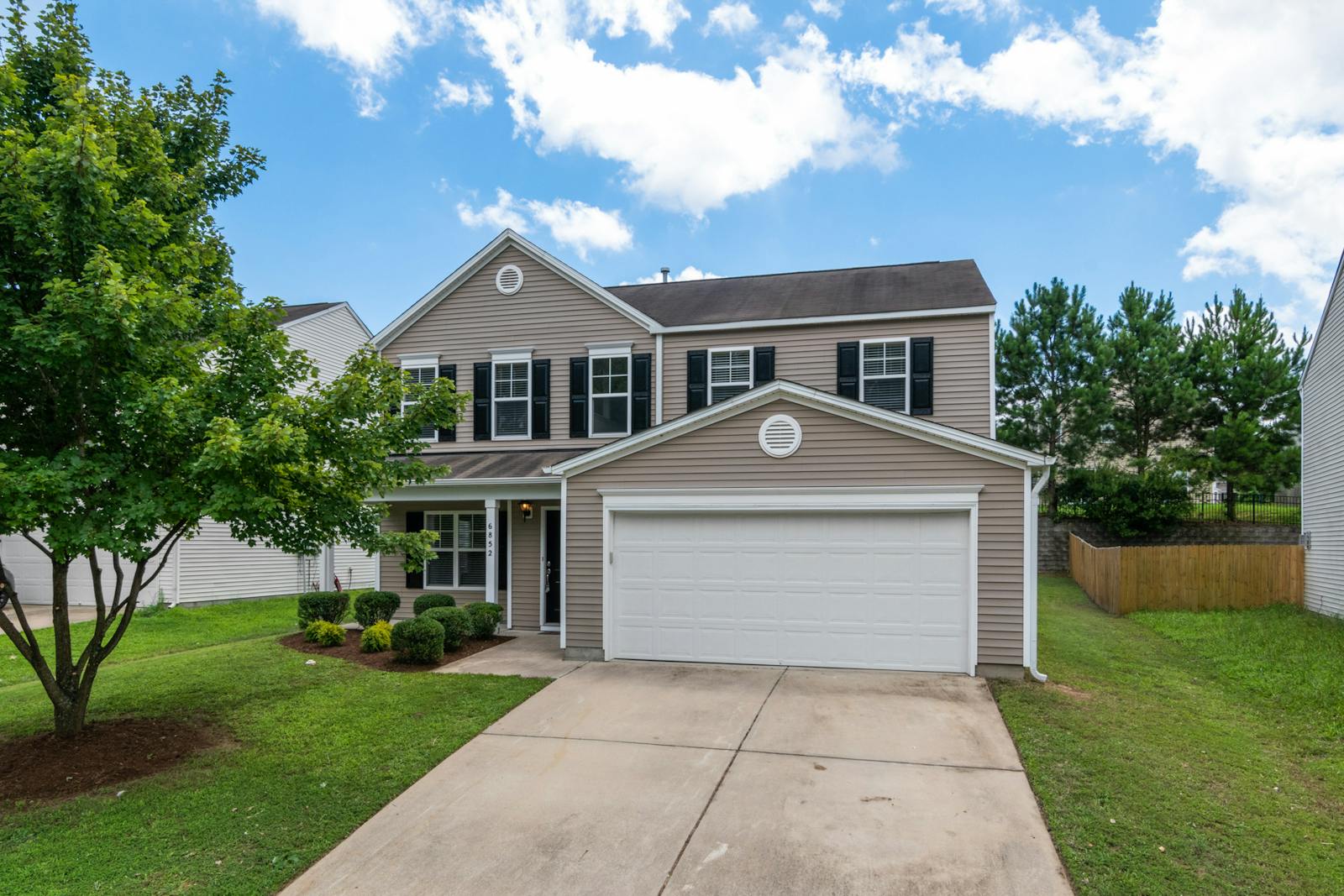
The Real Cost of Skipping Annual House Washing
An annual house wash runs $300 to $500. Skipping it for five years runs $8,000 to $30,000 in paint, siding, and property value. The math isn't close.
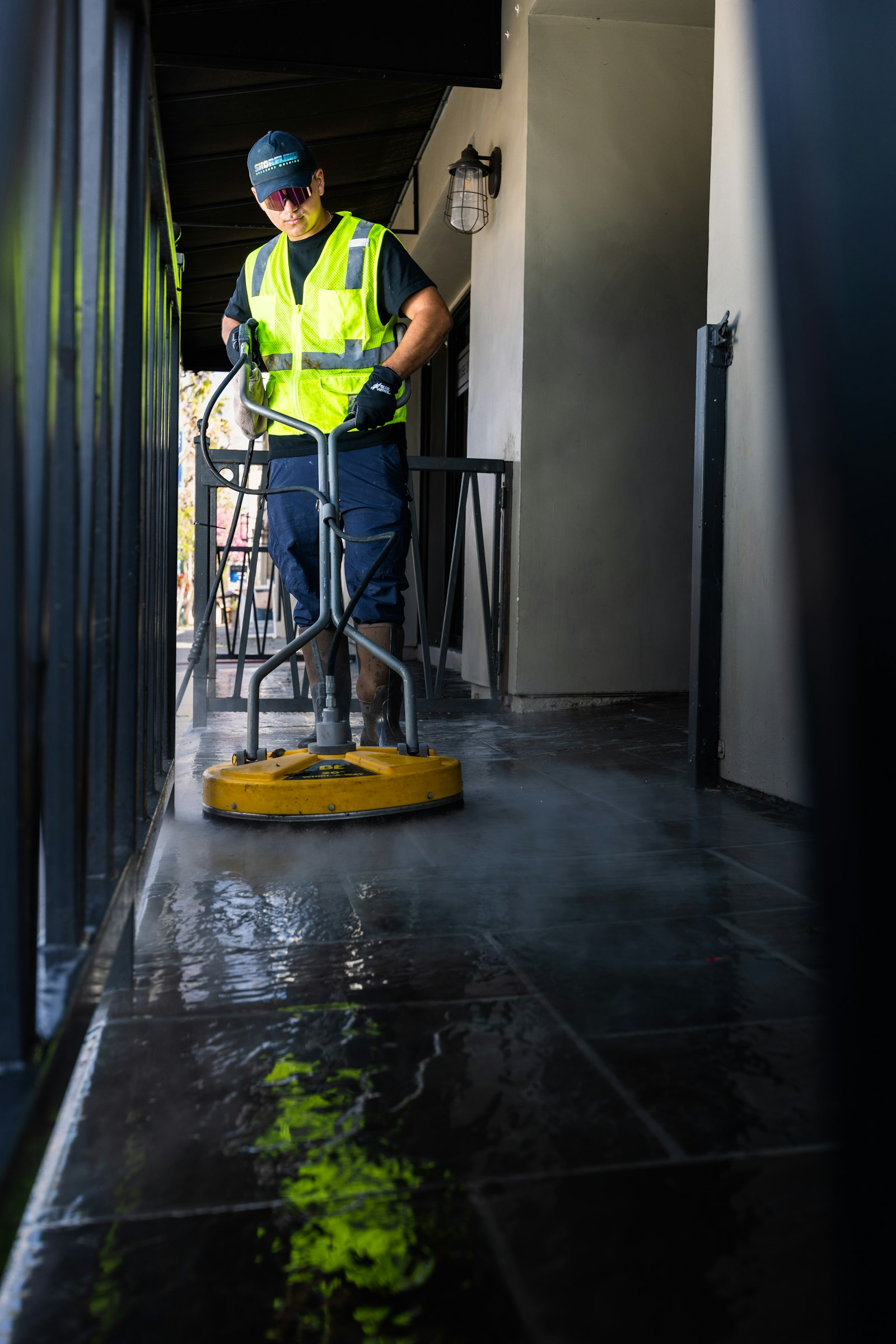
What Your Pressure Washing Company Isn't Telling You
The pressure washing industry has almost no regulation, which means the quote you got for $200 might be the most expensive quote on your list. Here's what to ask before you hire anyone.
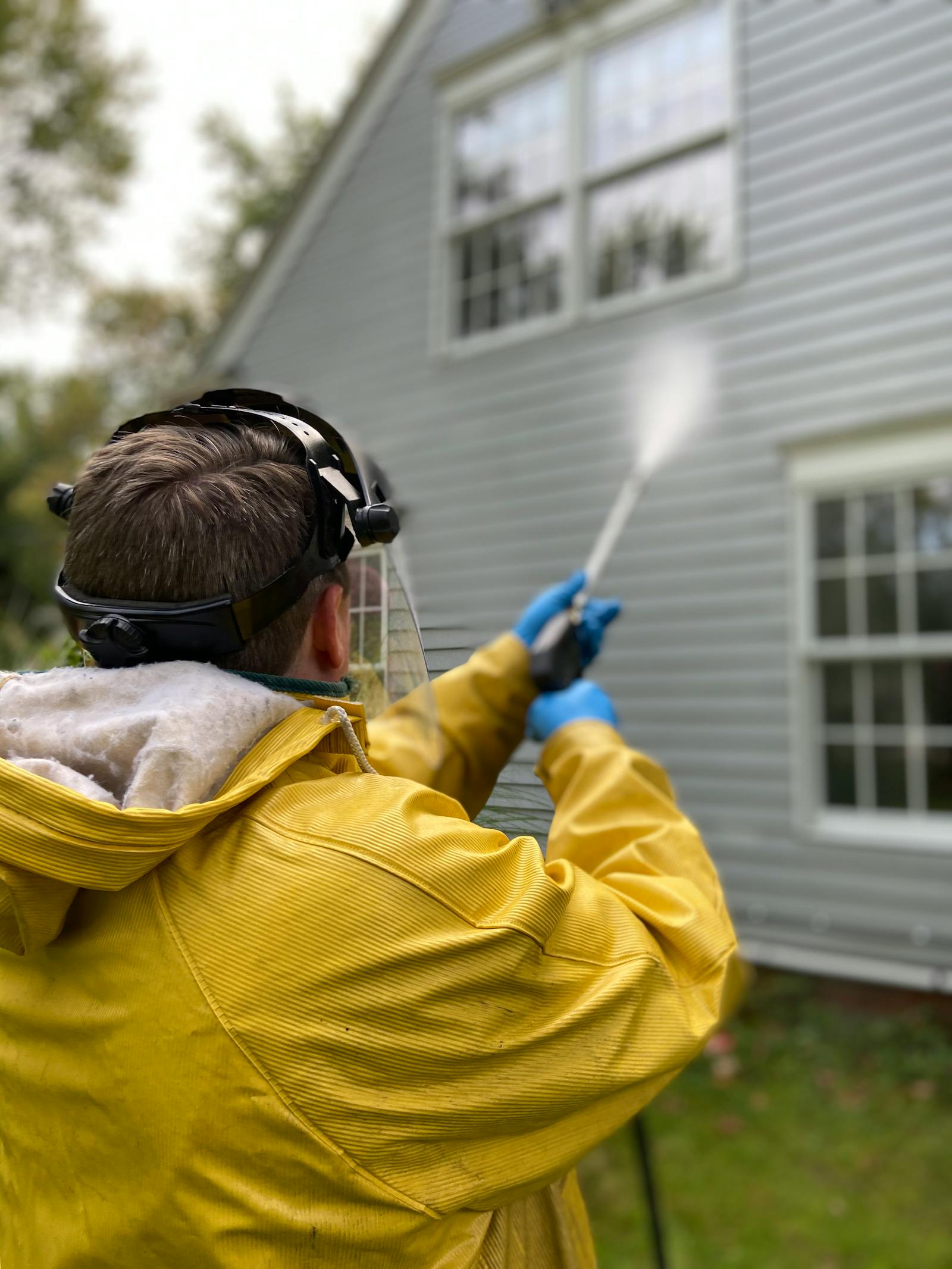
House Wash vs. Soft Wash: Which One Does Your Home Actually Need?
The terms get used interchangeably, but they're completely different jobs. Pick the wrong one and you'll either get a house that's still dirty or a house that's damaged.