What Your Pressure Washing Company Isn't Telling You
The pressure washing industry has almost no regulation, which means the quote you got for $200 might be the most expensive quote on your list. Here's what to ask before you hire anyone.
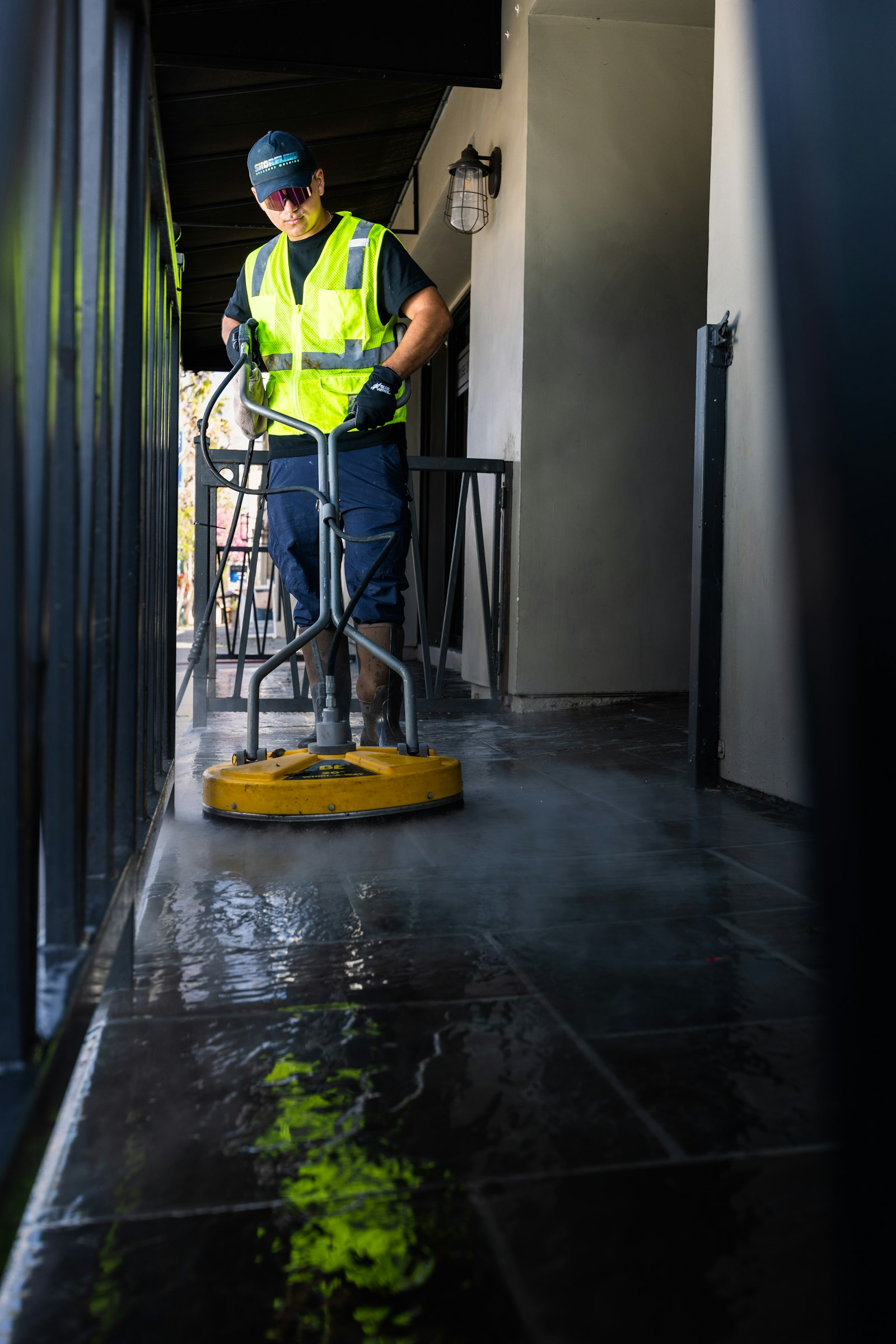
Pressure washing looks simple from the outside. Point the wand, pull the trigger, spray the dirt off. The industry knows it looks simple. That's exactly why the cheapest quote is almost always the most expensive one by the time everything shakes out.
Here's the part nobody wants you to know before you hand over your credit card.
There's Almost No Barrier to Entry
In most states, you don't need a license to start a pressure washing company. You don't need training. You don't need to understand chemistry. You need a truck, a pressure washer from Home Depot, and a phone number.
That's it.
The nice guy who quoted you $199 on Facebook Marketplace may have bought his rig last week. The reason he can do it for $199 is that he has no insurance, no training, and no overhead. The reason he'll ruin your siding is the same reason.
Most Companies Don't Carry Real Insurance
Ask the next pressure washer who quotes your house for a current certificate of insurance. Ask for the liability limit. Then ask if it covers work on third-party property.
Most of them either can't produce a certificate at all or show you a $300,000 general liability policy that specifically excludes damage to the property being worked on. That's a policy that protects them if they drive into your mailbox, not if they etch your siding or flood your basement.
A professional pressure washing company carries $1 million to $2 million in general liability with a "care, custody, and control" endorsement. That's the coverage that actually pays out when something goes wrong on your property.
If the company won't name you as an additional insured on request, walk away.
The Pressure Is the Least Important Part
Here's the trade secret most pros don't advertise. Pressure is rarely what cleans your house.
A professional house wash uses surfactants and sodium hypochlorite at low pressure. The chemistry does the work. The rinse is gentle because the soap and dwell time already broke down the organic material.
The cheap guy does the opposite. He shows up with a 4 GPM gas unit, puts the zero-degree tip on, and blasts your siding at 4000 PSI. It "works" in the sense that the house looks clean for a few weeks. It also strips paint, forces water behind vinyl siding, and exposes the substrate. Six months later you've got mold behind your walls and a $9,000 siding repair.
Ask the company how they clean a house. If the answer has "pressure" in it, keep looking. The answer should be "soft wash" or "low pressure chemical application." Those are the professional terms.
Your Landscaping Is Collateral
A house wash uses the same chemicals that kill moss and algae. They also kill plants if they're not handled correctly.
Professional crews pre-wet every plant within 15 feet of the house to root saturation. They re-rinse during the job to keep the foliage diluted. They do a final landscape rinse at the end. That takes 20 to 30 minutes on a typical house.
The guy who's doing three houses today doesn't have 30 extra minutes. He's going to skip the pre-soak, your hostas are going to turn brown next week, and he's going to blame the weather.
Ask about landscape protection. If the answer is vague, your plants are the line item that isn't on the quote.
Cheap Chemicals Are a Different Product Entirely
There are pressure washing detergents that cost $12 a gallon at Lowe's. And there are commercial sodium hypochlorite blends with proper surfactant packages that cost $60 a gallon from a supplier.
The cheap stuff doesn't dwell. It doesn't cling. It washes off before it kills the algae, which means the algae is back in 90 days. The pro-grade stuff keeps working for months. That's why a professional soft wash lasts a year or more and the Facebook Marketplace wash lasts a summer.
You don't have to know the chemistry. You just have to know that if the quote is half of everyone else's, the chemicals are half strength.
The Price Is Never Just the Price
Here's the simple math most homeowners miss.
A $200 wash that causes $800 in plant damage cost you $1,000.
A $200 wash that strips paint off a window frame and costs $400 to repaint cost you $600.
A $200 wash that forces water into a vent and seeds mold inside the wall cost you $4,000 and a fight with your insurance company.
A $450 wash from a professional crew with full insurance, proper equipment, and a written guarantee cost you $450.
The Questions to Ask
Before you hire anyone to touch your house with a pressure washer, ask these five questions. A professional will answer them without hesitation. A rookie will hedge.
- What's your current general liability limit and does it include care, custody, and control?
- Are your technicians UAMCC or PWNA certified?
- Do you soft wash or pressure wash a house?
- What's your landscape protection procedure?
- What's your written guarantee if I'm not happy with the result?
If you get five clean answers, you've found a pro. Hire them. Pay what they ask.
If the answers are vague on any of them, the cheap quote isn't cheap. It's just deferred.
Want a Real Quote?
Fully insured, UAMCC certified, and transparent about every part of the job. Get your free estimate in under 2 hours.
Keep Reading
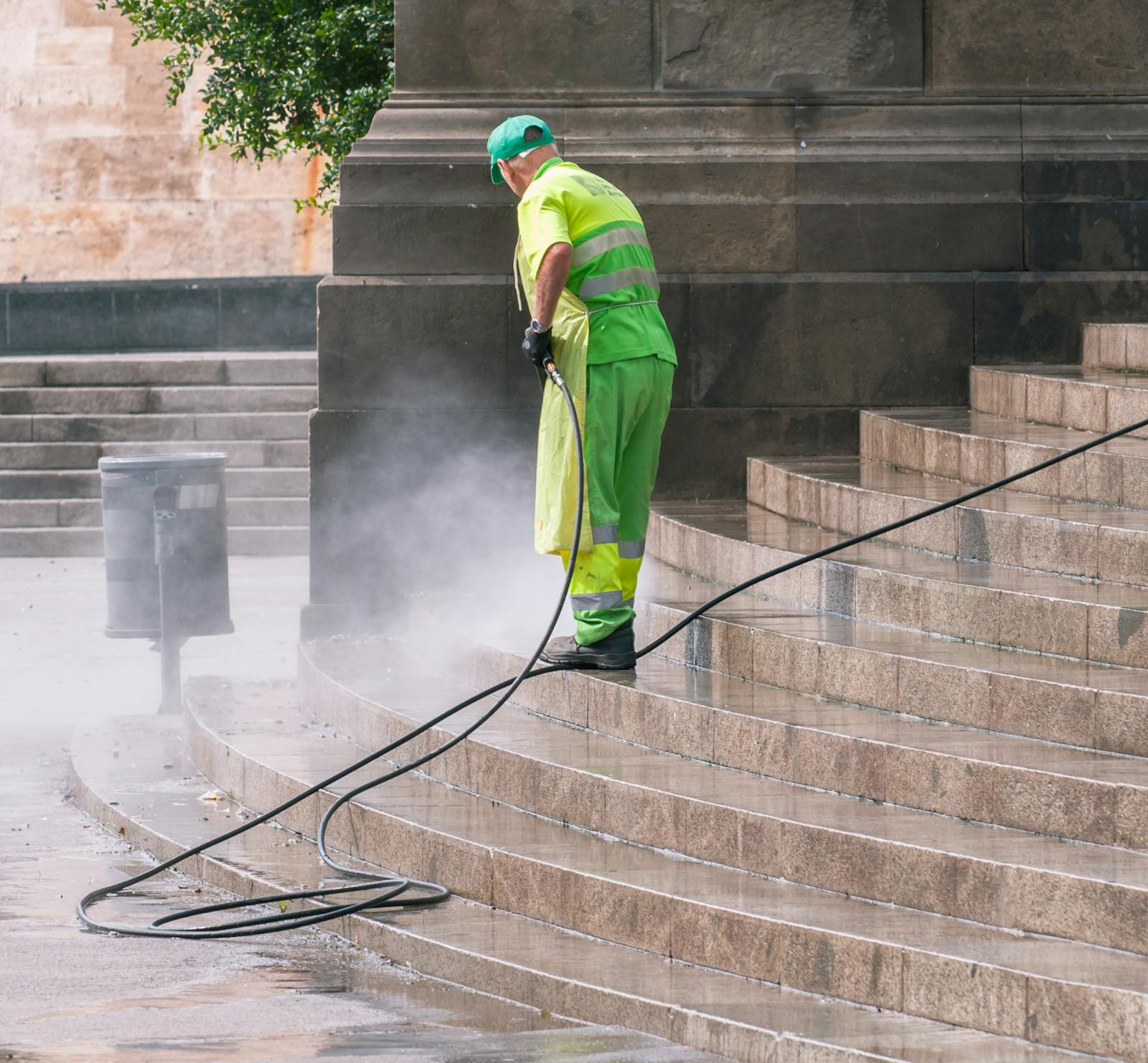
The CleanShield Method: Why Our Results Last 3x Longer
A wash from one company is back to dirty in 90 days. A wash from another is clean for 18 months. The difference isn't luck. It's a 5-step process we refused to cut corners on.
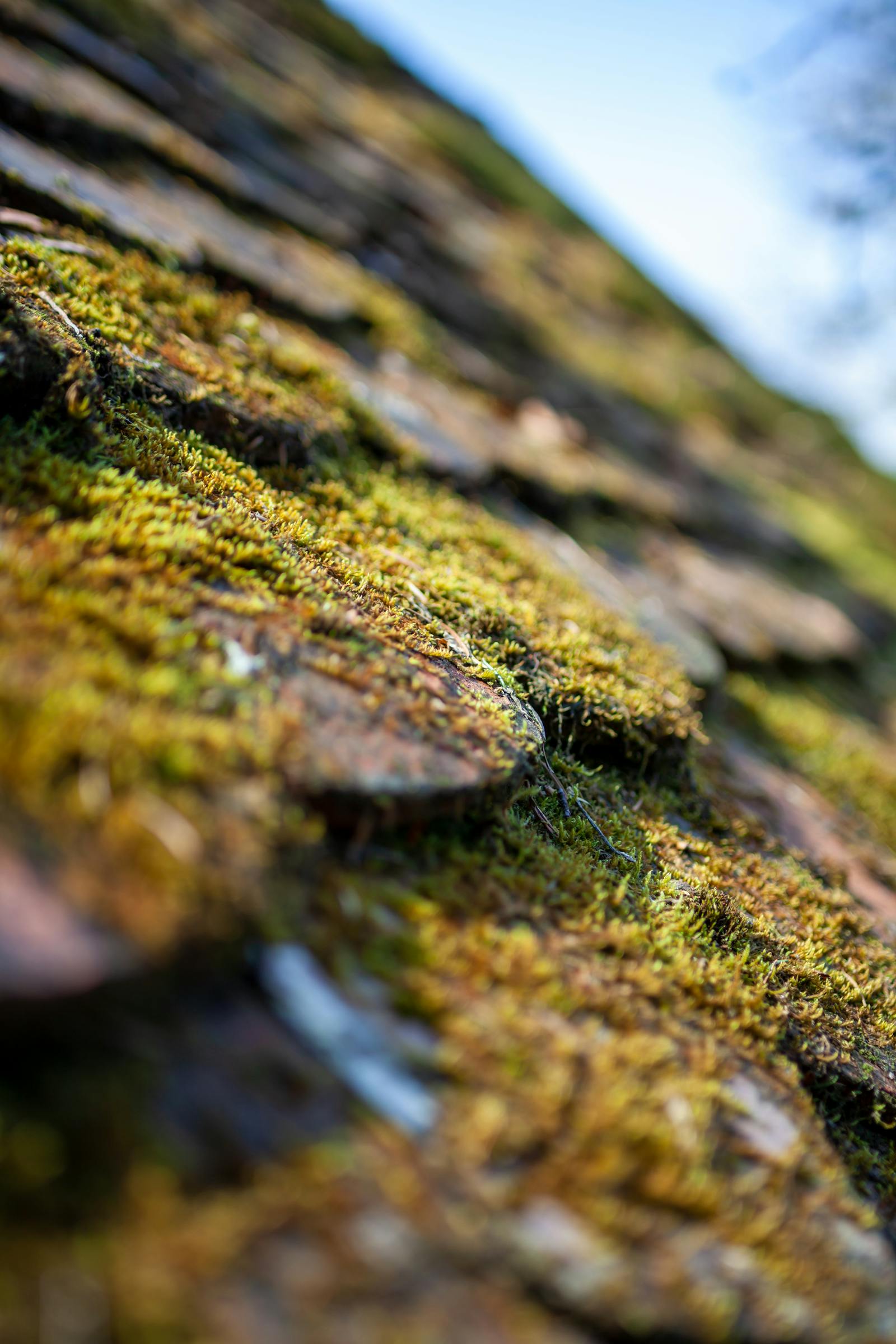
5 Signs Your Roof Is Secretly Destroying Your Home's Value
Those black streaks aren't just ugly. They're a living organism eating shingles and quietly knocking thousands off your property value. Here's how to spot it.
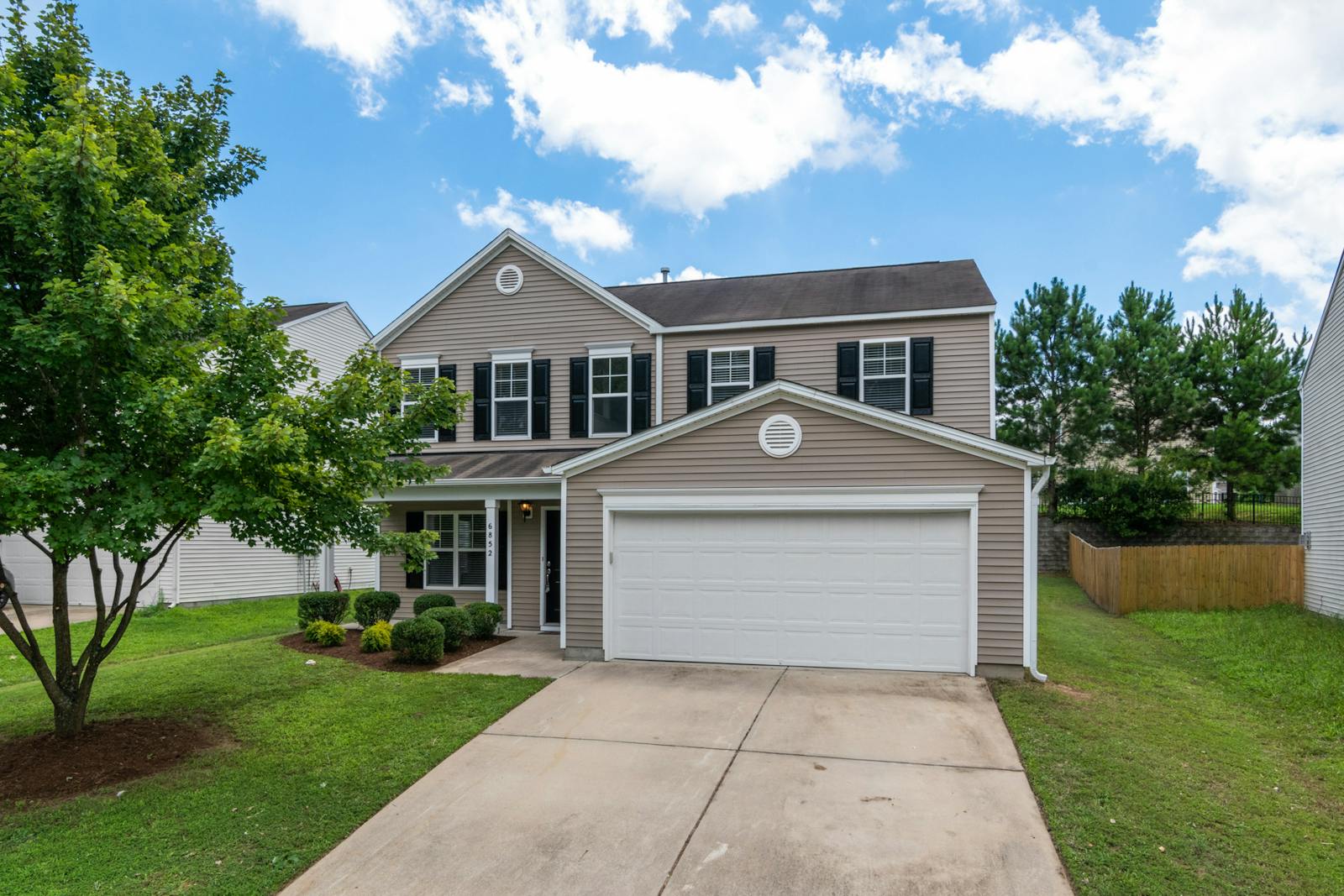
The Real Cost of Skipping Annual House Washing
An annual house wash runs $300 to $500. Skipping it for five years runs $8,000 to $30,000 in paint, siding, and property value. The math isn't close.