House Wash vs. Soft Wash: Which One Does Your Home Actually Need?
The terms get used interchangeably, but they're completely different jobs. Pick the wrong one and you'll either get a house that's still dirty or a house that's damaged.
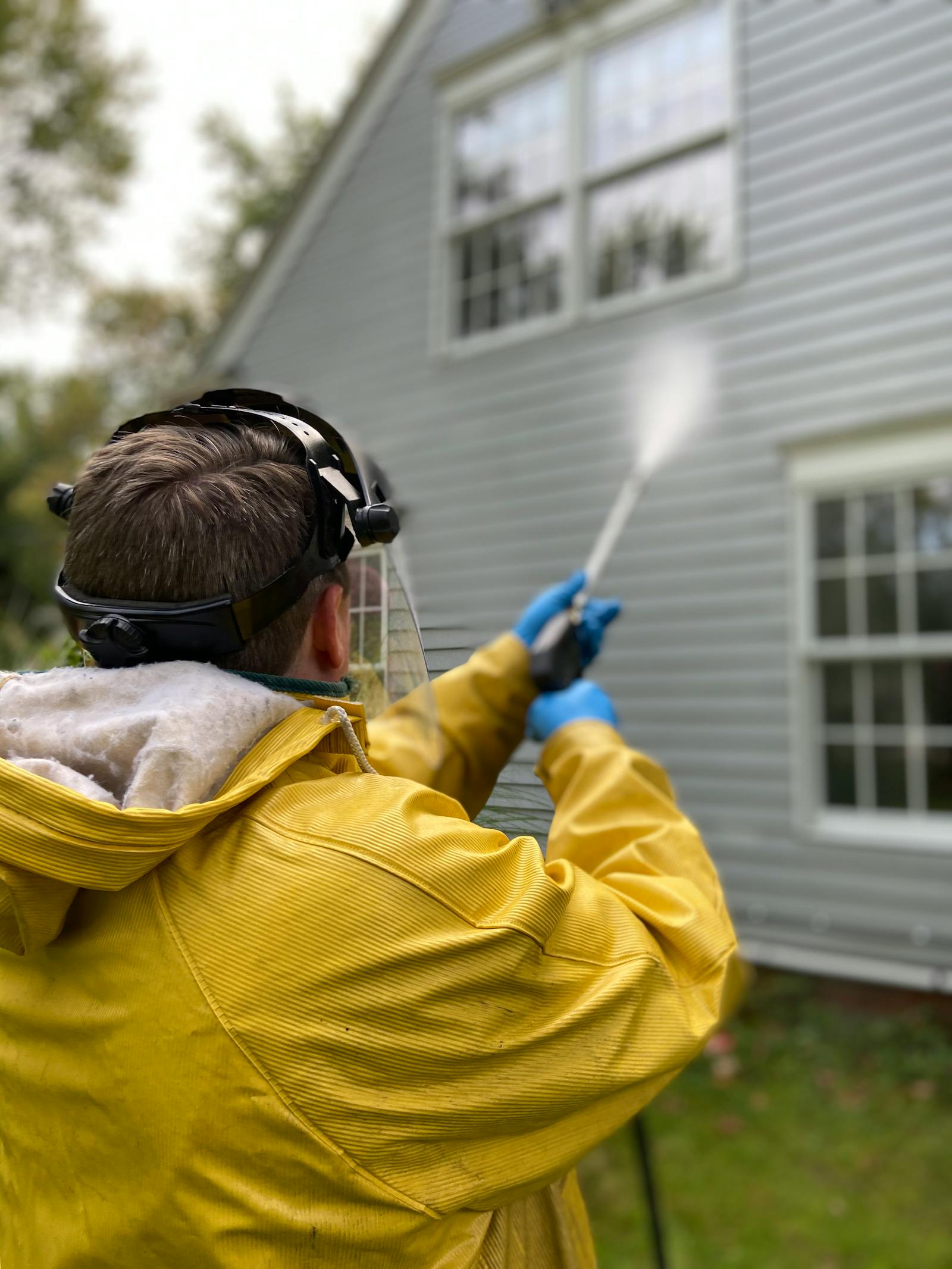
If you've called around for pressure washing quotes, you've probably heard both terms. "Pressure washing." "Power washing." "House washing." "Soft washing." They sound like the same thing with different marketing. They are not.
The difference matters because the wrong one will either leave your house dirty or damage your siding. This is a five-minute explanation of which one you actually need.
The Short Answer
For a typical residential house, you almost always want a soft wash.
Here's why.
What a Pressure Wash Actually Is
A pressure wash uses high PSI (pounds per square inch) to physically blast dirt off a surface. Commercial pressure washers run 2,500 to 4,000 PSI. They clean by force.
Pressure washing has three jobs where it's the right tool.
- Concrete. Driveways, sidewalks, patios. Concrete can take the pressure and benefits from the mechanical cleaning.
- Brick and stone. With the right nozzle and technique, pressure is fine on masonry.
- Commercial flatwork. Parking lots, loading bays, industrial floors.
That's it. Those are the surfaces where "pressure washing" is the correct service.
Everything else on a house, your siding, your trim, your roof, your fence, your deck, is either better off with a soft wash or will be damaged by pressure.
What a Soft Wash Actually Is
Soft washing is a completely different method even though it uses some of the same equipment.
A soft wash applies a chemistry-first cleaning solution at very low pressure, usually 60 to 150 PSI. That's lower than a garden hose. The pressure isn't doing the cleaning. The chemistry is.
The solution is typically sodium hypochlorite (the active ingredient in bleach) mixed with surfactants and a cling agent. It's applied to the surface, allowed to dwell for 5 to 10 minutes, and then rinsed off. The dwell time is what does the work. The bleach kills the algae, mildew, and mold at the root. The surfactant lifts the dead organic material off the surface. The rinse washes it away.
The house is clean and the surface is untouched. No etching. No paint stripping. No water forced behind siding. No damaged shingles.
Why This Matters on Your House
Vinyl siding looks like it's tough. It's actually more fragile than people realize. A pressure wash at full PSI will strip the UV protection off vinyl in one cleaning, which accelerates color fade and brittleness.
Painted wood or fiber cement siding is even worse. Direct pressure from even a medium-duty washer will blow paint off the substrate. You'll see it during the wash. The paint comes off in strips.
Shingle roofs are the worst case. A pressure wash on an asphalt shingle roof will strip granules, force water under shingles, and void the roof warranty in a single visit. "Pressure washed" is listed by every major shingle manufacturer as an exclusion to their warranty.
Soft washing works on all of these because there's no mechanical force involved. Just chemistry.
When a Pro Will Recommend Pressure
There are times during a house wash service when a professional will use higher pressure deliberately.
- Hardscape around the house. Your driveway, sidewalks, and patio get full pressure from a surface cleaner attachment.
- Stucco and brick. With the right tip and the right distance, pressure is fine.
- Very heavy biological growth. Sometimes the chemistry needs help from the mechanical action. A skilled operator will bump pressure on a specific section without damaging the surface.
The key is that a pro knows the difference and uses the right tool for each zone of your property. A house wash from a good company is actually a combination of both methods, applied surgically. The label on the invoice says "house wash" but the job uses soft wash technique on the siding, pressure on the concrete, and low-pressure chemical on the roof if included.
What to Look for in a Quote
If the quote says "pressure wash house $199," that's a red flag. No professional is pressure washing a whole house at full PSI for $199. Either they're misusing the term (not a good sign) or they're actually going to blast your siding (a much worse sign).
A professional quote will usually call out:
- House exterior: soft wash
- Driveway and walkways: pressure wash with surface cleaner
- Roof (if included): soft wash, no pressure
- Fence or deck: soft wash or low-pressure depending on material and condition
That level of specificity means the company knows what they're doing.
The Bottom Line
If someone is going to wash your house, they should be soft washing it. If they're going to clean your driveway, they should be pressure washing it. If they can't tell you which method they're using for which surface, they're not a professional. They're a guy with a machine.
Ask the method. If the answer is "we just pressure wash everything," thank them for their time and keep calling.
Not Sure Which One You Need?
Tell us what your house looks like. We'll recommend the right approach before we ever hold a nozzle.
Keep Reading
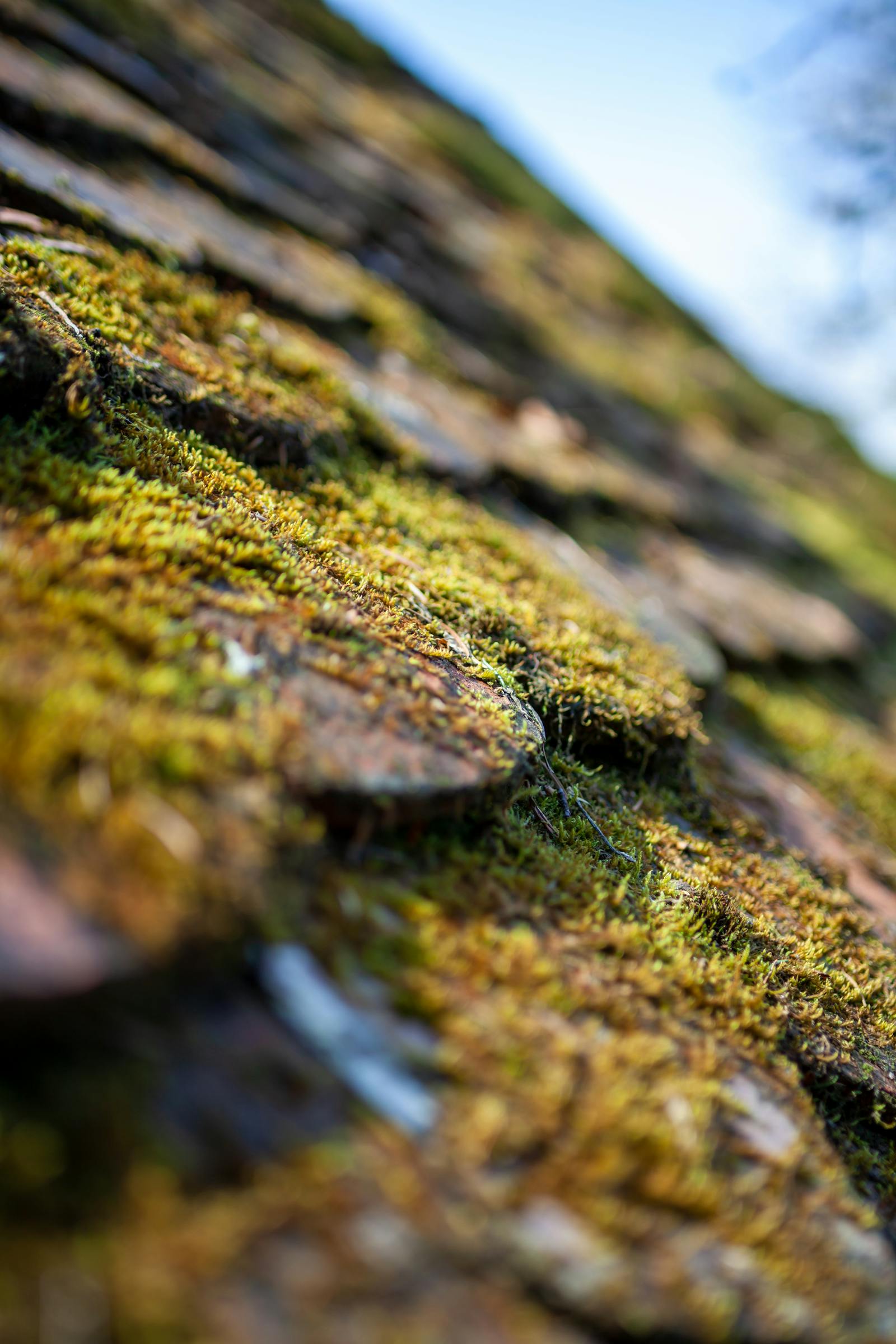
5 Signs Your Roof Is Secretly Destroying Your Home's Value
Those black streaks aren't just ugly. They're a living organism eating shingles and quietly knocking thousands off your property value. Here's how to spot it.
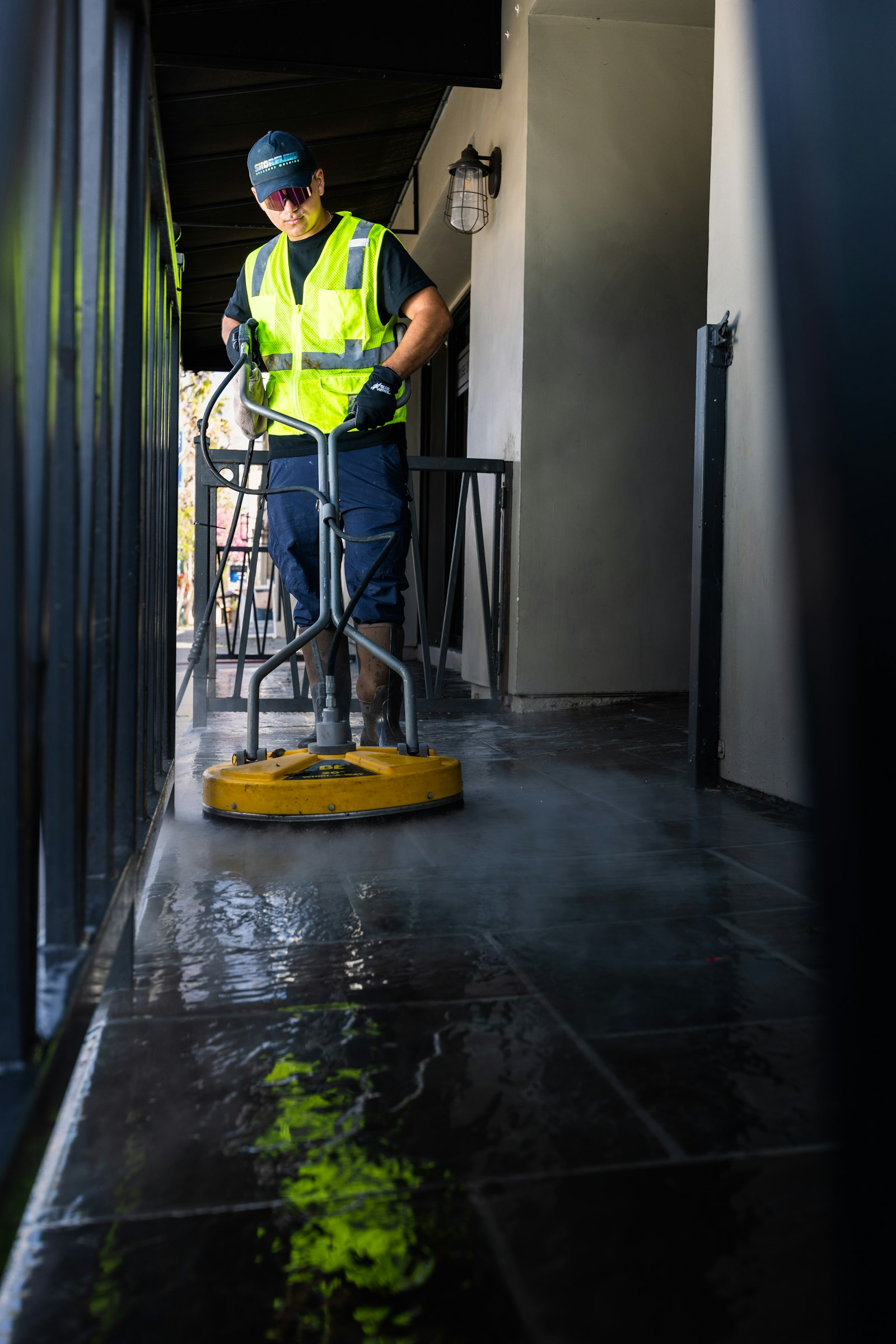
What Your Pressure Washing Company Isn't Telling You
The pressure washing industry has almost no regulation, which means the quote you got for $200 might be the most expensive quote on your list. Here's what to ask before you hire anyone.
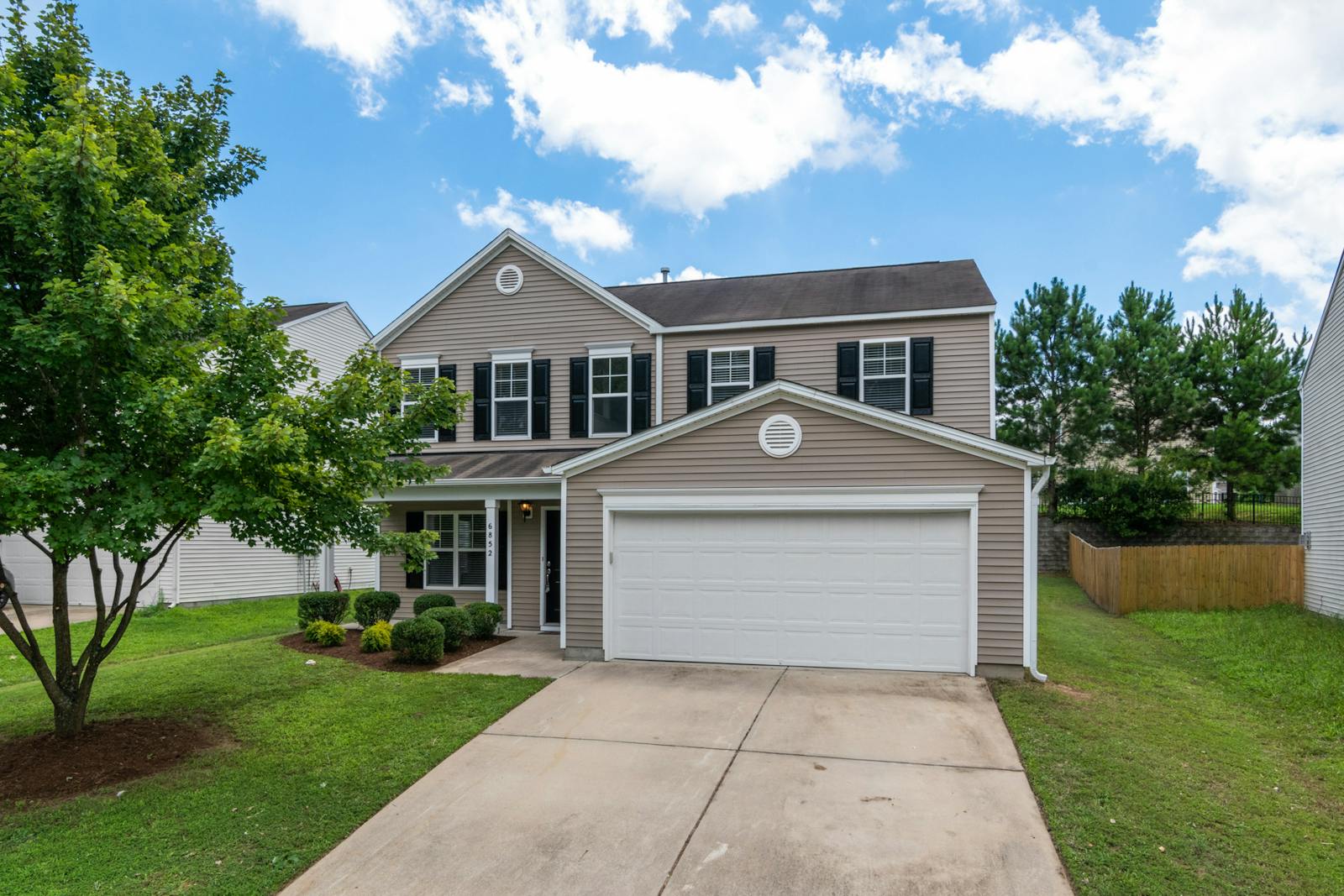
The Real Cost of Skipping Annual House Washing
An annual house wash runs $300 to $500. Skipping it for five years runs $8,000 to $30,000 in paint, siding, and property value. The math isn't close.